Extra Virgin Olive Oil: A Tasting Guide
Let’s start with the glass: it should be made of dark-coloured glass (preferably deep blue) so that the colour of the oil does not influence the tasting experience. Pour the oil into the glass and warm it gently with your hands. Then smell it.

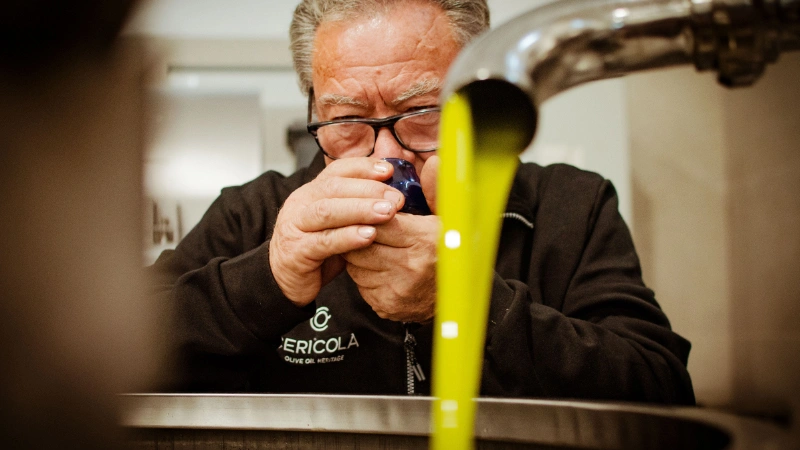
You should perceive notes of fresh grass, fruit, or freshly harvested olives. If you recognise a clean and fresh aroma, it means the oil you are about to taste is a genuine extra virgin olive oil, produced exclusively from olives that have been harvested and processed quickly through cold extraction.
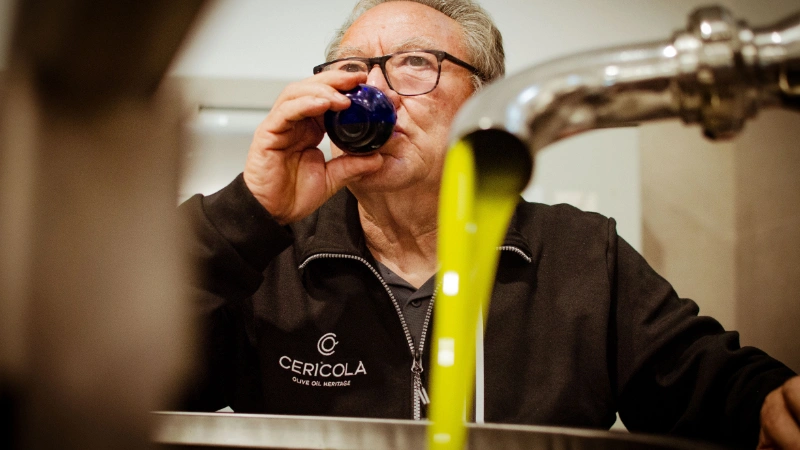
Place a small amount of oil in your mouth and gently draw in air, allowing the oil to spread across your palate. There is no need to hold it in your mouth for long (it is not wine). This simple gesture allows you to perceive the oil’s main characteristics almost immediately
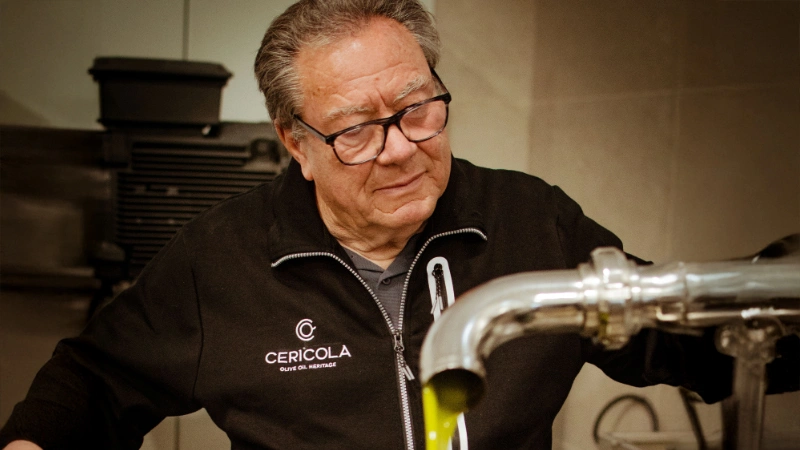
You should first notice a fresh taste, followed by sensations of bitterness and pepperiness in the throat, which should not linger excessively in the mouth. Bitterness and pepperiness indicate the presence of polyphenols, the beneficial compounds naturally found in extra virgin olive oil.
To simplify, we prefer to describe extra virgin olive oil as delicate, balanced, or bold.
These are the characteristics that a high-quality extra virgin olive oil should reveal on the palate: a harmonious balance resulting from dedication to olive tree cultivation, harvesting, and milling.We confirm it once again: extra virgin olive oil is produced exclusively from olives, harvested and processed within a short time and extracted using a cold milling process..
A quality extra virgin olive oil should present a vegetal aroma of fresh olives with fruity notes. Bitterness reveals the organoleptic and nutritional qualities of the oil and, together with the peppery sensation, signals the presence of polyphenols, which are essential for its beneficial properties.
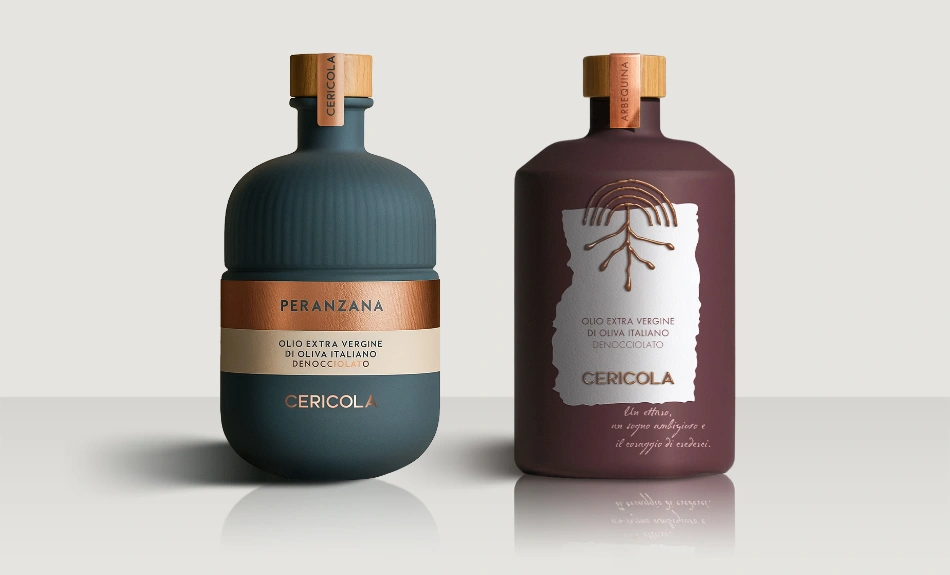
Our single varieties have a distinctive note that sets them apart: for example, Peranzana initially reveals a sweet and delicate profile before becoming more intense and persistent, with gentle bitterness and a surprising peppery finish; Coratina, the symbolic cultivar of Puglia, is distinguished by its typically fruity profile and pleasantly spicy character.
Discover our varieties and find the perfect extra virgin olive oil to suit your taste
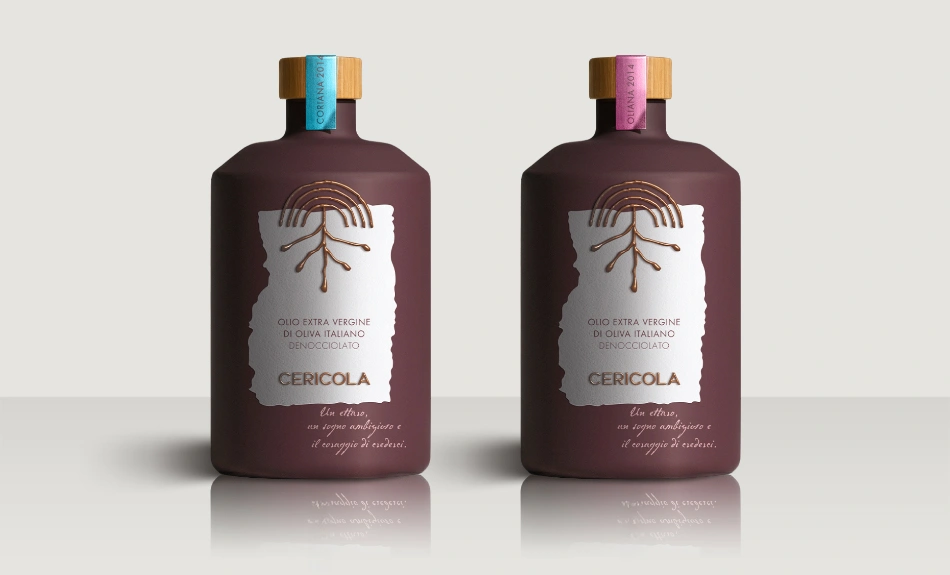
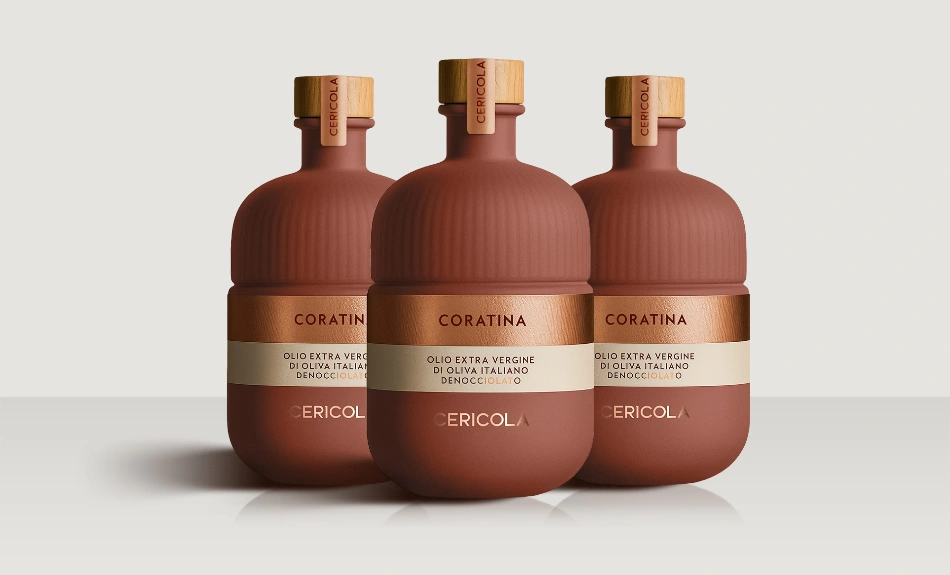
Bitterness and spiciness stand out, but always in balance with an intense vegetal note; in the kitchen, it requires dishes with character that enhance its strength: Coratina
Our products
[choose the category]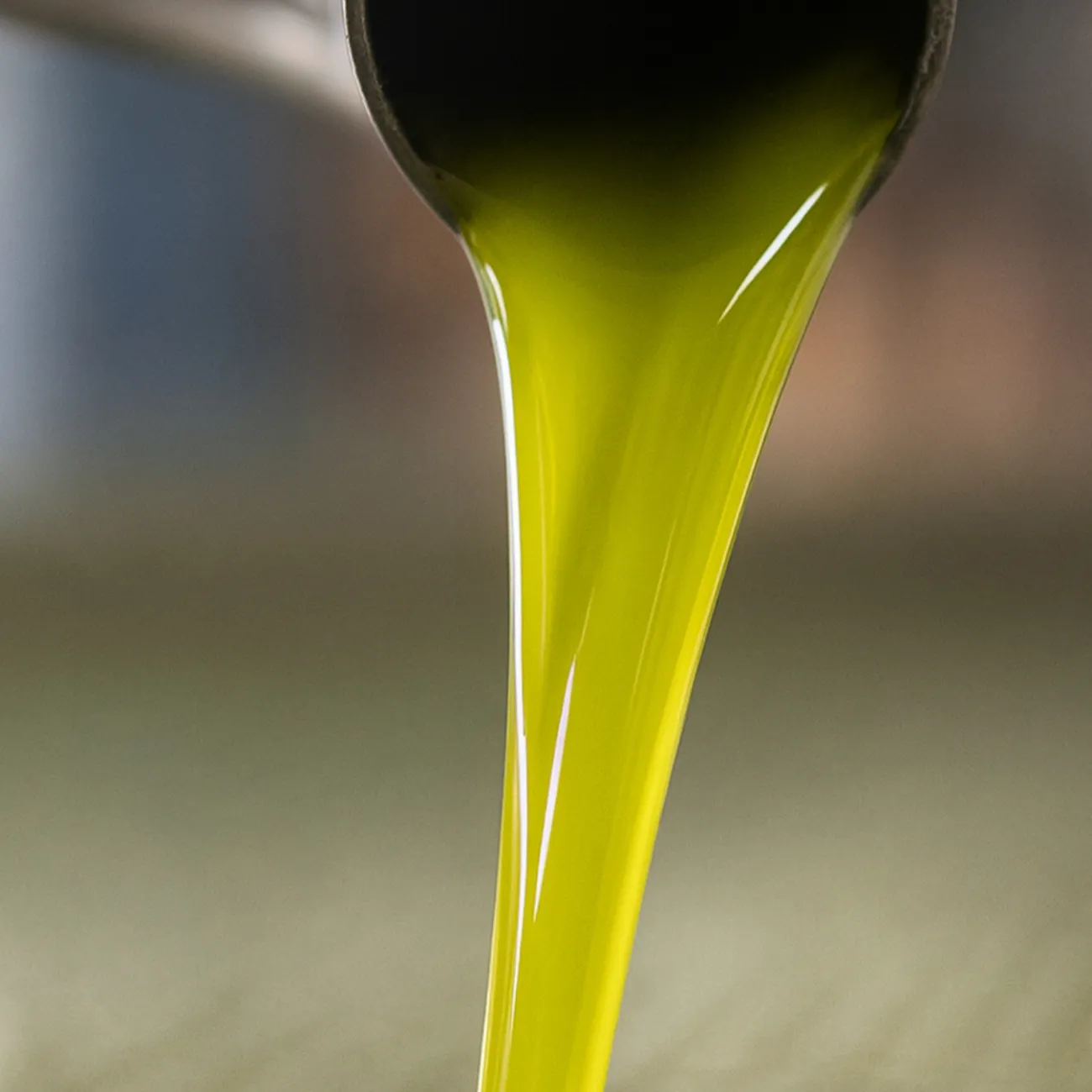





Featured
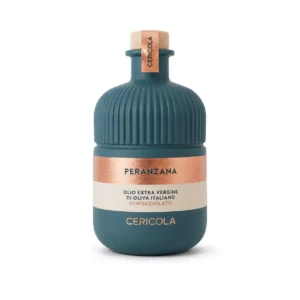
Peranzana extra virgin olive oil — Bottle
Balanced
L’olio extravergine di oliva monocultivar Peranzana viene estratto a freddo ed è l’ingrediente ideale per piatti a base di verdure, piselli freschi, carni bianche e pesce. Ha un caratteristico sapore fruttato e leggermente amaro, con note di mandorla e carciofo.
Choose the variant or go to the detail
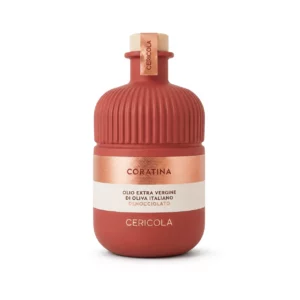
Coratina extra virgin olive oil – Bottle
Bold
Monovarietal Coratina extra virgin olive oil is an intensely fruity oil with pronounced character, pairing perfectly with red meats, grilled fish, traditional dishes, bruschetta with tomato and rocket, legume soups, and vegetable-based recipes.
Choose the variant or go to the detail
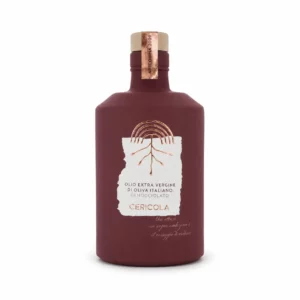
Arbequina extra virgin olive oil — Bottle
Balanced
On the palate, the bitterness and pungency of the Arbequina cultivar are well-balanced with the green/fresh sensations and the more mature flavors.. Arbequina oil is a green and robust extra virgin olive oil, ideal for those seeking a pronounced flavor, with intense notes of herbs and spices, accompanied by a well-defined bitterness and pungency.
Choose the variant or go to the detail
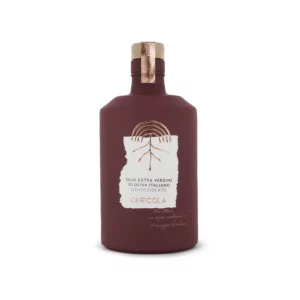
Oliana extra virgin olive oil — Bottle
Delicate
Oliana is a harmonious extra virgin olive oil with delicate fruitiness, notes of almond and banana, gentle bitterness, and moderate, well-balanced pungency. Its flavour is typically soft and pleasant, with excellent aromatic harmony.
Choose the variant or go to the detail