From harvesting to de-stoned oil: tradition and innovation
In 1998, beneath the Apulian sun, among the hay fields and olive groves of the Tavoliere, Pietro Leone founded Oleificio Cericola in Incoronata, near Foggia. We are in Borgo Incoronata, on the outskirts of Foggia and close to an ancient woodland area, the Bosco Incoronata Regional Park.
His dream was to create an exceptionally pure extra virgin olive oil, using exclusively olives from his own trees and guided by a precise philosophy: combining centuries-old Apulian olive oil tradition with technological innovation. From the very beginning, the olive mill distinguished itself through the use of state-of-the-art machinery, installing an Alfa Laval two-phase continuous-cycle olive oil processing system with cold extraction (latest machinery upgrade: 2025/2026 season). This vision soon transformed the olive mill into a research and development hub for new processing techniques, in collaboration with the Universities of Foggia and Bari and with Alfa Laval.
Family tradition and innovation
Driven by the desire to obtain an outstanding product, in 1999 Pietro Leone installed a de-stoning machine capable of extracting oil exclusively from olive flesh. This is how Frantoio Cericola became the first olive mill in Italy to produce de-stoned extra virgin olive oil, a product immediately recognised for its superior chemical and organoleptic characteristics. From that moment onwards, innovation became the hallmark of the company. Today, the olive mill is equipped with two extraction lines — both two-phase and cold extraction systems — complete with leaf remover, washer, de-stoner and enclosed malaxers. Tradition and technology work side by side to guarantee the highest quality.
Olive harvesting: from grove care to the olive mill
Harvesting is one of the most important stages in the life of an olive mill, a period of intense and rewarding work on which much of the quality of the final product depends. At Oleificio Cericola, harvesting times are carefully planned: the olives are picked at the optimal intermediate stage of ripeness and immediately delivered to the olive mill, where they are milled within two hours. This rapid processing helps preserve all the organoleptic characteristics of the olives and results in an outstanding extra virgin olive oil.
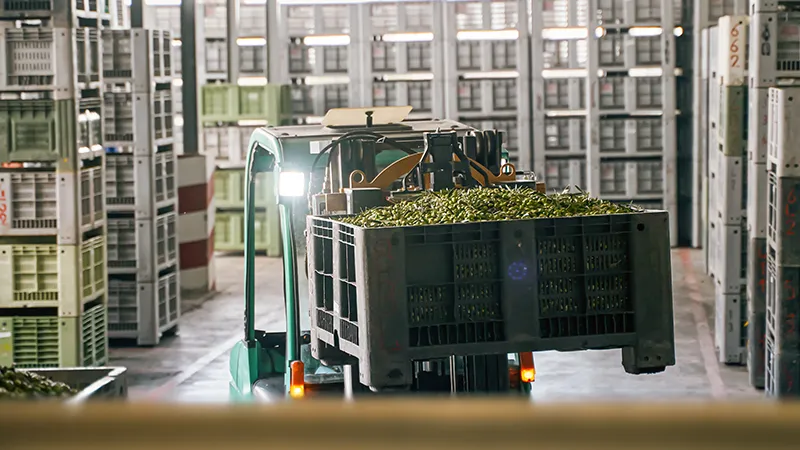
Once in the olive mill, the olives are weighed and immediately taken for processing: the mill has been organised to minimise the time between harvesting and processing.
In 2017, with the aim of further improving efficiency and quality, we introduced a New Holland straddle harvester for our super-intensive olive groves. We were the first in the province of Foggia to adopt this technology. Thanks to this advanced harvesting system, one hectare of olive grove can be harvested in just two hours. This allows large quantities of olives to be harvested rapidly and delivered to the olive mill within a very short time, reducing oxidation and helping to improve the quality of the final oil. It is the meeting of agricultural tradition and innovation: passion for the land supported by the most advanced machinery, always with the goal of obtaining the finest possible product.
In the olive mill cold extraction only
Upon arrival at the olive mill, oil production follows a state-of-the-art technological process while maintaining the highest level of artisanal care. Oleificio Cericola operates two integrated continuous-cycle, two-phase processing lines, both designed for cold extraction. Each line is equipped with dedicated systems for leaf removal, olive washing, de-stoned crushing and enclosed malaxation (the malaxer is fitted with a cover that isolates the olive paste from the external environment) — a distinctive feature of our olive mill — before proceeding to the extraction stages.
The extraction process is rigorously controlled step by step: after crushing, the olive paste is slowly mixed inside the malaxer at a controlled temperature. The olive paste then undergoes solid-liquid centrifugation, during which the oil is separated from the solid fractions and vegetation water. Finally, the oil is purified from residual vegetation water by means of a vertical centrifuge. Every stage of the extraction process is carefully conducted and monitored in order to maximise the oil’s organoleptic and nutritional qualities.
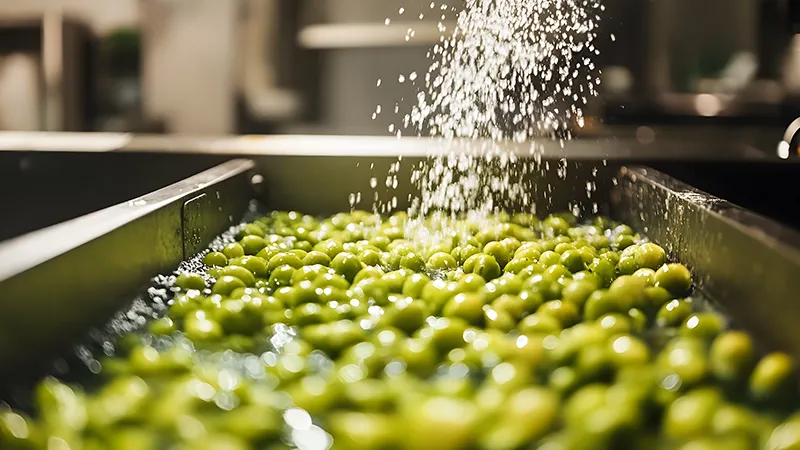
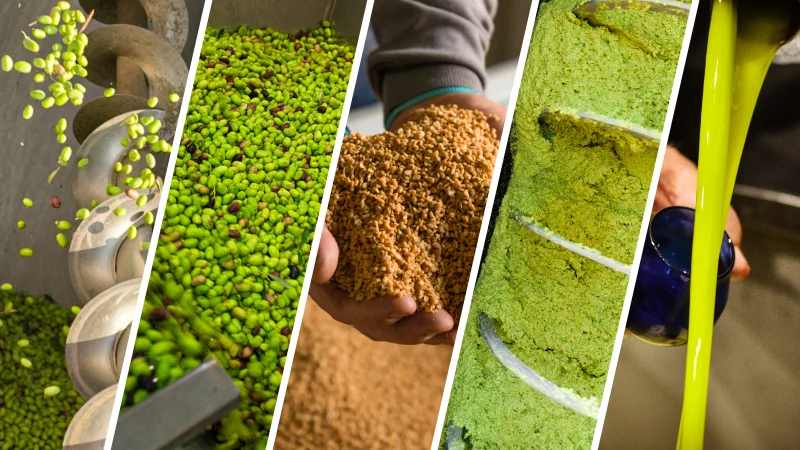
The freshly harvested olives are separated from their leaves and carefully washed to remove impurities and residual soil (the olive mill is equipped with dedicated machinery for these operations). After washing, the olives undergo draining on a vibrating table in order to remove residual wash water.
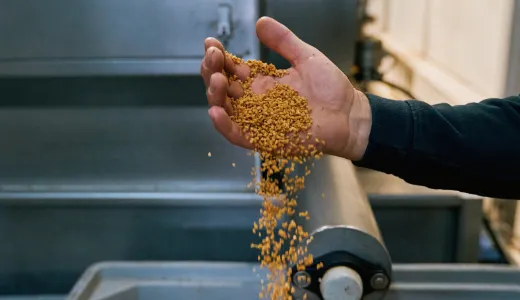
The cleaned olives pass through the crusher–partial de-stoner. Here, Moliden-Leone technology comes into operation, simultaneously crushing the olives and removing part of the crushed olive stone, producing a paste composed mainly of olive flesh and a small fraction of olive stone particles, necessary for the proper execution of the subsequent processing stages.
This operation makes it possible to recover high-quality olive stone material with a high energy value, contributing to a circular economy process.
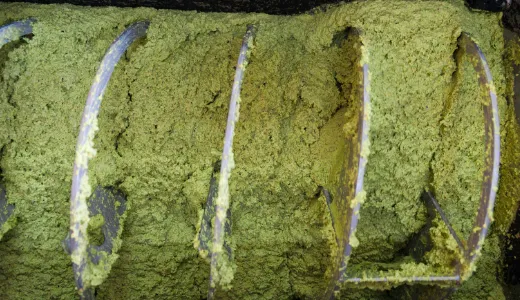
The partially de-stoned olive paste is slowly mixed in the malaxers for approximately 40 minutes at a controlled and constant temperature of 27 °C. This slow mixing phase allows the micro-droplets of oil to aggregate, preparing the olive paste for centrifugal separation. It is a crucial stage during which biochemical reactions are triggered, leading to the development of aromas and nutritional compounds. The controlled temperature prevents oxidation reactions that could compromise the quality of the oil.
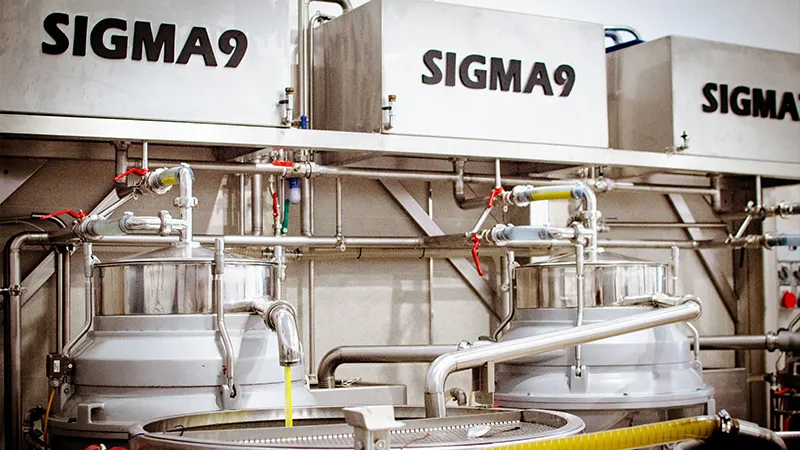
The olive paste from the malaxers is transferred to the decanter, namely the horizontal centrifuge where the oil is continuously separated from the aqueous and solid phases (wet pomace and residual olive stone particles) by centrifugal force. The oil leaving the decanter is unfiltered, slightly cloudy and already free from solid residues.
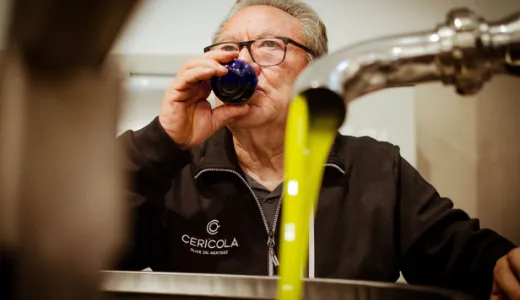
The unfiltered oil is then transferred to the final centrifugal separator, which removes the remaining traces of vegetation water and impurities, further clarifying the oil. This double centrifugation process guarantees a clear and stable extra virgin olive oil without the need for subsequent filtration.
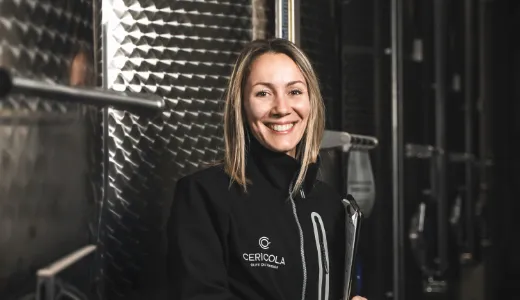
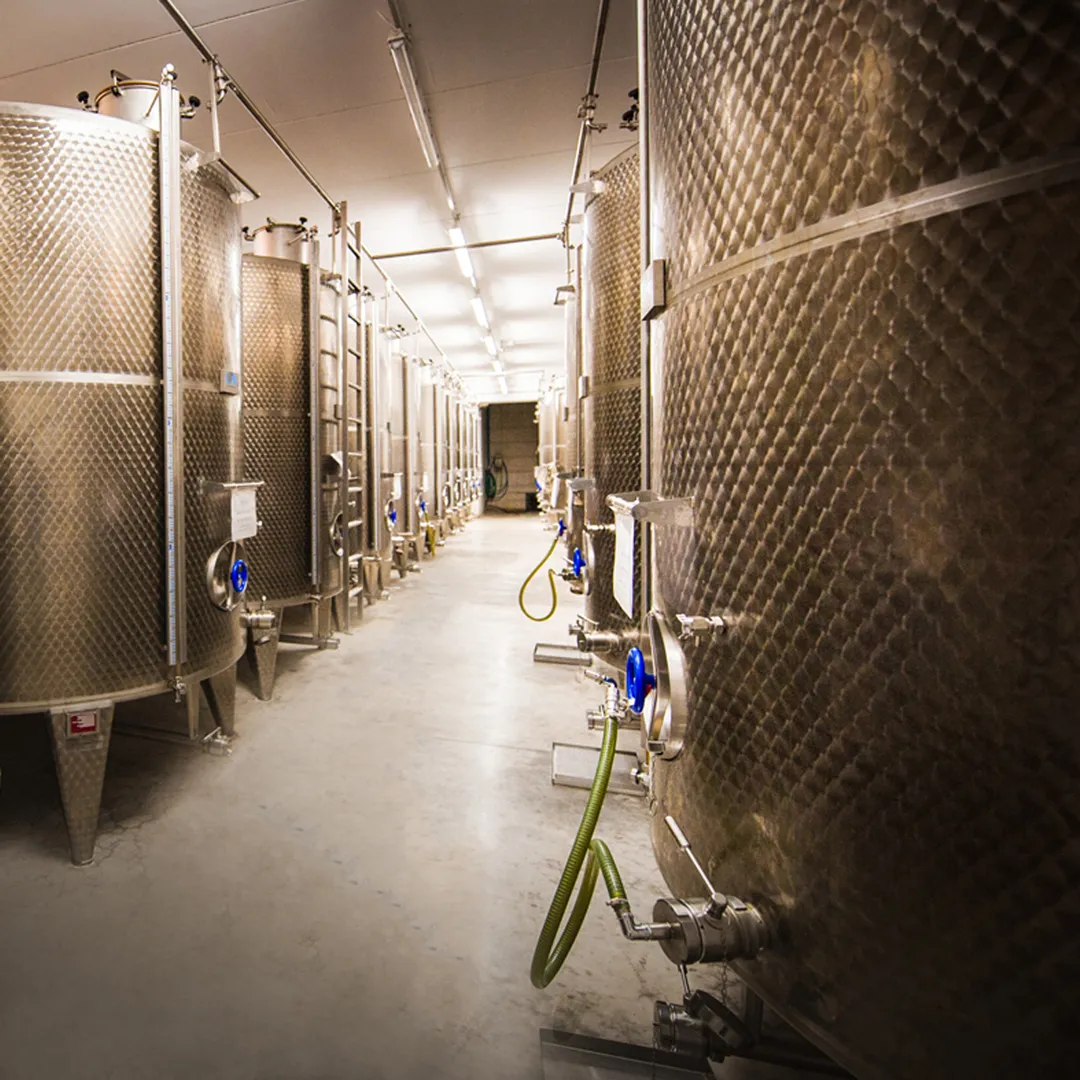
The extra virgin olive oil is finally stored in hermetically sealed stainless-steel silos saturated with nitrogen. The headspace within the silos is therefore inert (oxygen-free) and, together with the temperature-controlled environment, prevents the onset of oxidative reactions while preserving the aromas, flavours, and nutritional properties of our oil until bottling.
Every drop is thus protected from light, air, and excessive heat, thereby preserving the quality achieved through the great care and commitment invested throughout all the previous processing stages.
De-stoned milling, the heart of innovation
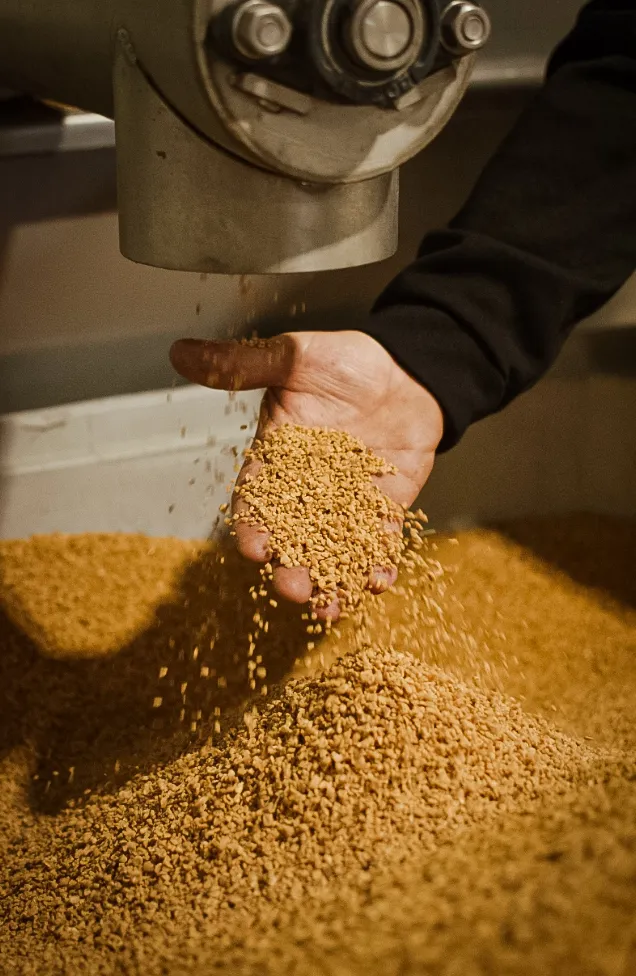
The aspect that most characterises our production method is partially de-stoned milling. But what exactly is a de-stoned oil? It is an extra virgin olive oil obtained through the immediate separation of the olive stone from the pulp before crushing. This preliminary separation is made possible by the Moliden-Leone de-stoner, a machine conceived and patented by Pietro Leone together with his sons Luigi and Michele.
How it works: Upstream of the production process, the Moliden-Leone system crushes the olives using two rollers operating at different speeds, while simultaneously extracting the crushed stone fragments through a separation cage. Approximately 70% of the stone fragments are immediately removed from the paste, while the remaining 30% is retained in the pulp to promote effective malaxation.
From a technological perspective, the presence of stone fragments (around 30% of the total is sufficient) is essential to ensure maximum oil extractability from the olive paste. The olives are therefore crushed gently, eliminating any form of mechanical “stress” to the fruit. The result is a softer and more homogeneous olive paste.
The paste then proceeds through the malaxation and extraction stages, remaining in the malaxer for approximately 40 minutes at 27 °C before passing to the decanter.
What advantages does this innovative process provide? First of all, de-stoned oil has a finer sensory profile. Removing the olive stone reduces the presence of tannic and polyphenolic compounds associated with the stone itself, which are responsible for bitter and astringent notes.
The result is an extra virgin olive oil with more delicate nuances, an intense fruity character, and a more harmonious finish. In other words, even cultivars that are naturally robust and rich in phenolic compounds (such as Coratina), when processed using the de-stoned method, produce oils that are smoother and more pleasant on the palate without losing their distinctive aromas.
It is an extra virgin olive oil that enhances the fragrance of fresh olives and its aromatic notes, making it ideal for enjoying raw — on a slice of warm bread, with crudités, or over a salad — as it fully expresses its fruity character without aggressive notes.
From a technical perspective, removing the stone also improves the stability and purity of the oil. The olive stone naturally contains oxidative enzymes (such as peroxidase) which, if present in the paste, can accelerate oxidation processes within the oil. By removing the stone prior to malaxation, the activity of these enzymes is partially inhibited, thereby reducing the degradation of the olive’s beneficial polyphenols.
As a result, de-stoned oil retains a higher concentration of natural antioxidants (polyphenols) and demonstrates greater stability over time. Chemical analyses frequently confirm lower peroxide and acidity values in de-stoned oils, indicating superior freshness and improved shelf-life stability.
Another important aspect is sustainability: no part of the olive goes to waste. The extracted stone fragments (known as nocciolino) constitute an excellent natural biofuel. Thanks to the de-stoning process, the nocciolino emerges already dry and clean during processing, ready for use as fuel in boilers and pellet stoves.
Oleificio Cericola has utilised this resource from the outset: the nocciolino produced is reused within the olive mill itself as biomass to power the heating systems, thereby closing the loop within a circular economy model.
This means that our production process delivers not only high-quality olive oil, but also a valuable energy by-product. Sector analyses have even identified it as “the finest olive stone biofuel in Europe”, as confirmed by industry studies.
In this context, innovation also means environmental responsibility and maximising the value derived from every harvested olive.
Storage: every drop protected
After the care devoted to both the olive grove and the extraction process, equal attention is dedicated to the storage of the oil. Immediately after production, the oil undergoes a second centrifugation through a separator in order to clarify it by removing any remaining impurities and traces of water.
It is then stored in hermetically sealed stainless-steel silos equipped with an inert gas system (nitrogen) to protect the oil from exposure to air. The tanks are housed in a temperature-controlled environment free from thermal fluctuations, allowing the oil to rest in cool, dark conditions.
This storage method ensures that the oil’s sensory and nutritional characteristics remain intact until bottling. Extra virgin olive oil stored in this way does not undergo premature oxidation: its fruity aromas remain vibrant, its colour and flavour are preserved, and the polyphenols — the oil’s valuable natural antioxidants — retain their effectiveness. In practical terms,
From the selection of the olives to the final bottling stage, nothing is left to chance: managing the entire production chain within the company allows us to maintain complete control over quality.
The result is a unique de-stoned extra virgin olive oil that combines the authentic flavours of the Foggia region with the purity that only the most advanced techniques can deliver. Every tasting tells the story of a family and a generous land: you will experience the sweetness and elegance derived from the de-stoning process, together with the distinctive character of Apulian cultivars, all in perfect harmony.
We invite you to discover our world for yourself. You are welcome to visit our olive mill and follow the fascinating journey of the olives from grove to oil at first hand, breathing in the aromas of fresh milling and tasting the newly produced oil directly from the separator.

Or you can conveniently purchase our oils and products online: from the Oleificio Cericola e-commerce, Apulia arrives directly at your home, with all the taste and quality guaranteed by this unique production process.
From our land to your table, Cericola de-stoned oil will win you over with its authenticity and unmistakable flavour – the result of tradition, innovation and enduring passion for excellence.

Our products
[choose the category]




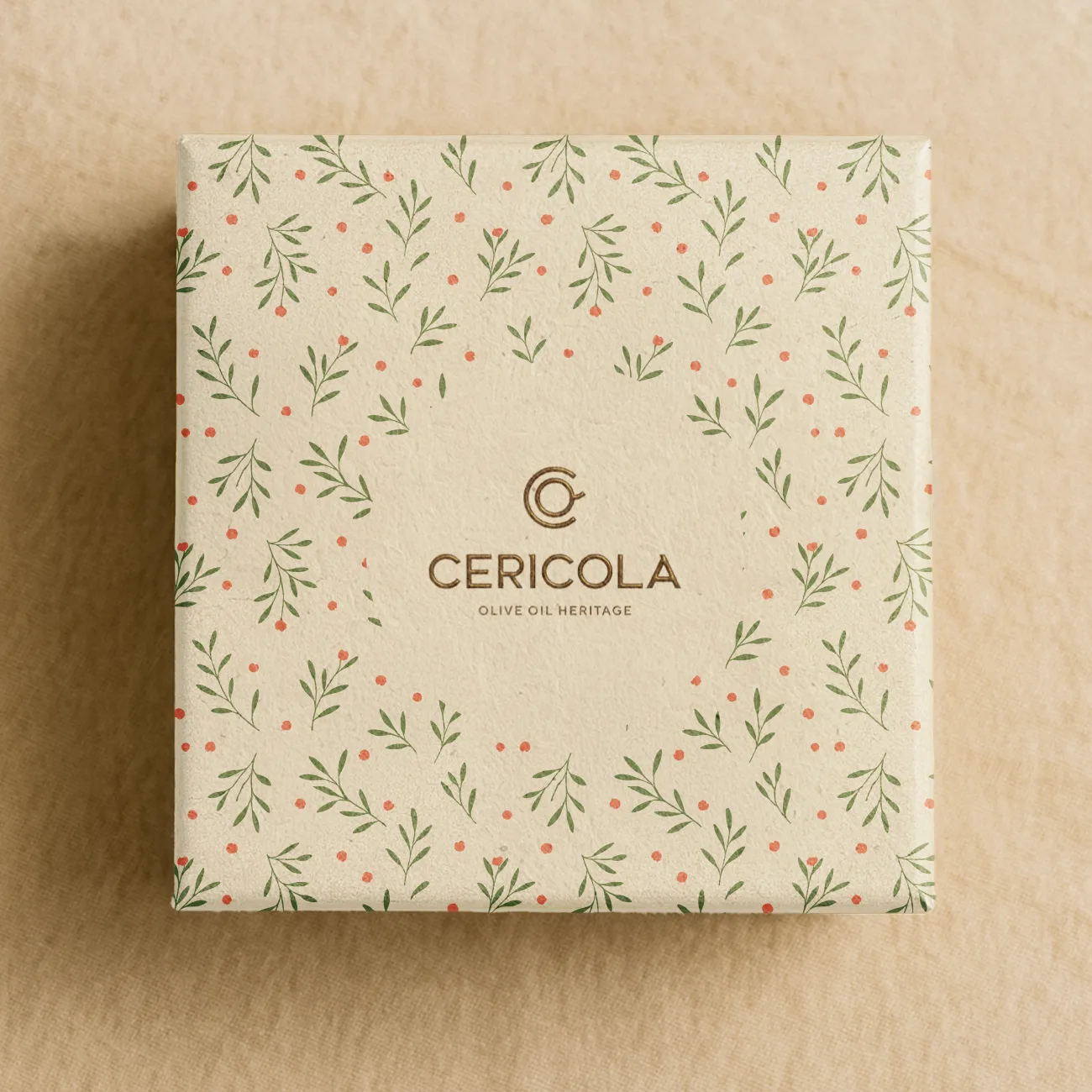

Featured
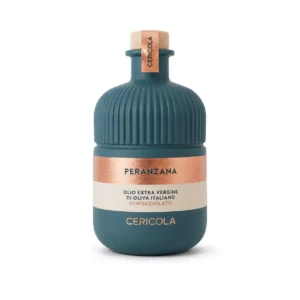
Peranzana extra virgin olive oil — Bottle
Balanced
Monovarietal Peranzana extra virgin olive oil is cold extracted and represents the ideal ingredient for vegetable dishes, fresh peas, white meats, and fish. Ha un caratteristico sapore fruttato e leggermente amaro, con note di mandorla e carciofo.
Peranzana oil produced is distinguished by its delicate flavour and elegant notes of almond and artichoke.
Choose the variant or go to the detail
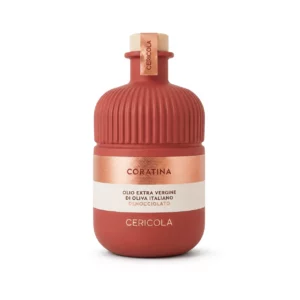
Coratina extra virgin olive oil – Bottle
Bold
Monovarietal Coratina extra virgin olive oil is an intensely fruity oil with pronounced character, pairing perfectly with red meats, grilled fish, traditional dishes, bruschetta with tomato and rocket, legume soups, and vegetable-based recipes.
Choose the variant or go to the detail
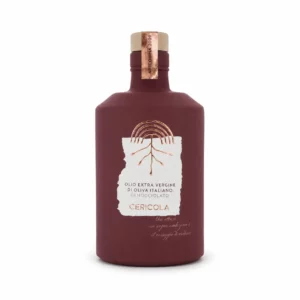
Arbequina extra virgin olive oil — Bottle
Balanced
On the palate, the bitterness and pungency of the Arbequina cultivar are well-balanced with the green/fresh sensations and the more mature flavors.. Arbequina oil is a green and robust extra virgin olive oil, ideal for those seeking a pronounced flavor, with intense notes of herbs and spices, accompanied by a well-defined bitterness and pungency.
Choose the variant or go to the detail
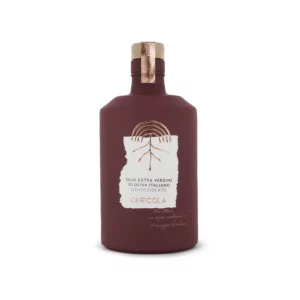
Oliana extra virgin olive oil — Bottle
Delicate
Oliana is a harmonious extra virgin olive oil with delicate fruitiness, notes of almond and banana, gentle bitterness, and moderate, well-balanced pungency. Its flavour is typically soft and pleasant, with excellent aromatic harmony.
Choose the variant or go to the detail