UNESCO: Italian cuisine is culture
UNESCO has declared Italian cuisine an Intangible Cultural Heritage of Humanity. And it is not simply recognition for a collection of recipes or iconic dishes.
What has been recognised is something far deeper: a living culinary ecosystem shaped by sustainability, biodiversity, traditions handed down through generations, and innovation closely connected to the territory. A culture that does not merely nourish, but also builds identity, community, and landscapes.
Source of the article: Italian cooking, between sustainability and biocultural diversity
Extra virgin olive oil
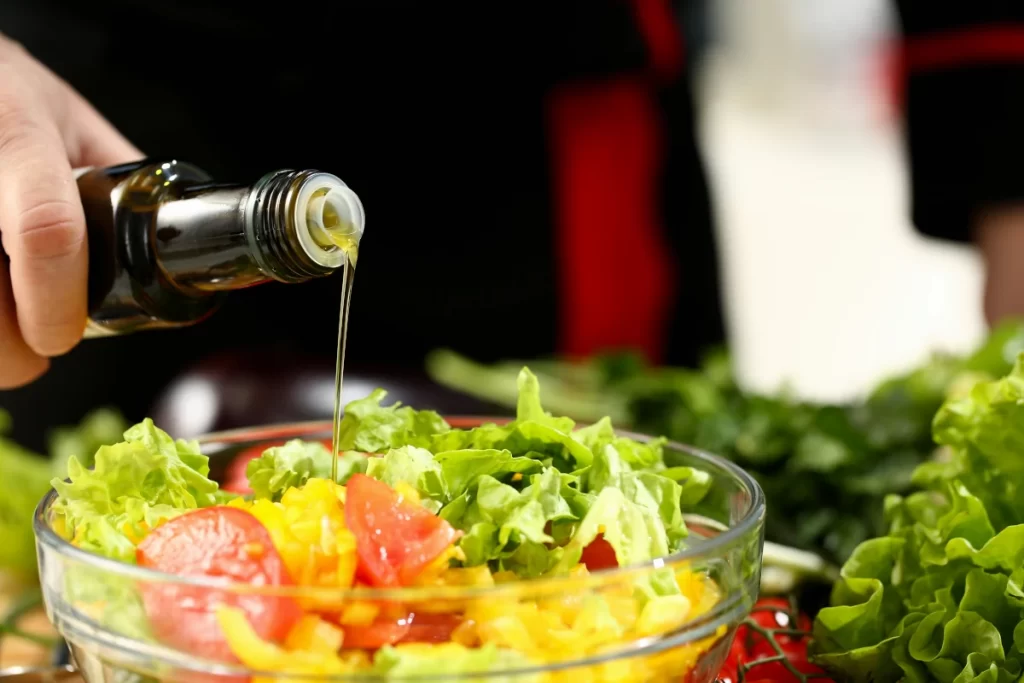
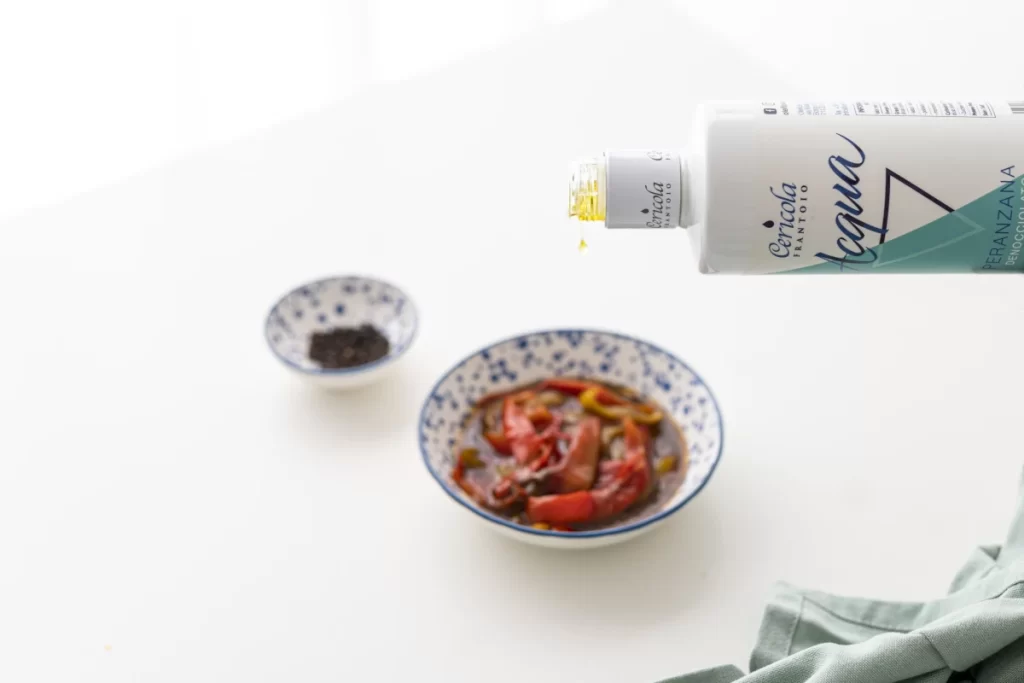
Within this mosaic of knowledge and traditions, olive oil holds a central role. It is not merely an ingredient: it is a cultural cornerstone, a symbol of the millennia-old relationship between people and the land, and a product that perfectly embodies the values recognised by UNESCO — sustainability, diversity, balance, and respect for seasons and territories.
From the care of the olive groves to the milling process, through to everyday gestures in the kitchen, olive oil tells a story that spans generations and regions, uniting Italy through a shared yet deeply diverse tradition.
Olive oil heritage
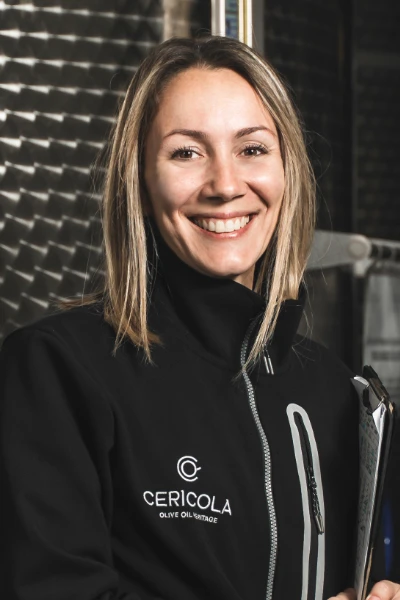
For a company like Oleificio Cericola, this recognition carries an even deeper meaning. It is a tribute not only to the product itself, but also to the daily commitment of the men and women working in the olive groves, in the olive mill, within the hospitality spaces, and throughout the packaging process.
It is also a recognition that speaks of a family that, for generations, has preserved this heritage as something precious, transforming it into a project that looks towards the future.
For Oleificio Cericola, olive oil is not merely tradition: it is identity, responsibility, and future.