Coratina extra virgin olive oil: uses in the kitchen and recommended pairings
Coratina is one of the iconic cultivars of Apulia. Its olive oil has a bold character, with green aromas of freshly cut grass, artichoke, and almond, together with pronounced bitterness and pungency thanks to its high polyphenol content.
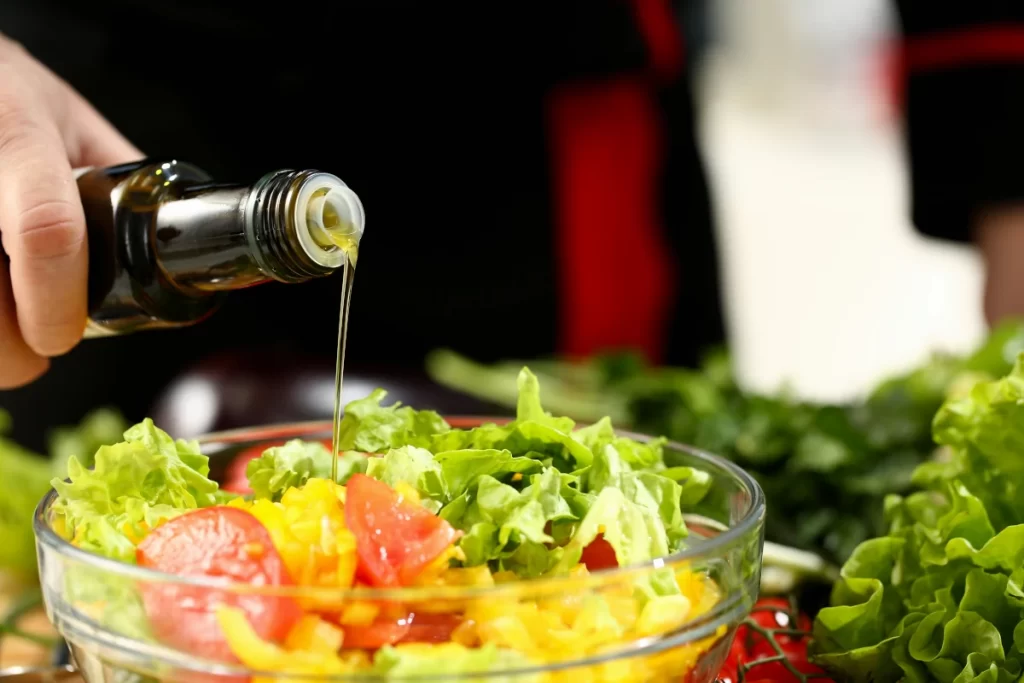
It can be thought of as a vibrant olive oil that brings energy to both traditional dishes and modern cuisine alike. How should it be used? Coratina is at its best when enjoyed raw. A drizzle added at the end of cooking preserves its aromas and pleasant peppery finish.
At the same time, the intensity of Coratina stands up beautifully to rich and full-flavoured dishes.
Recommended pairings in Apulian cuisine
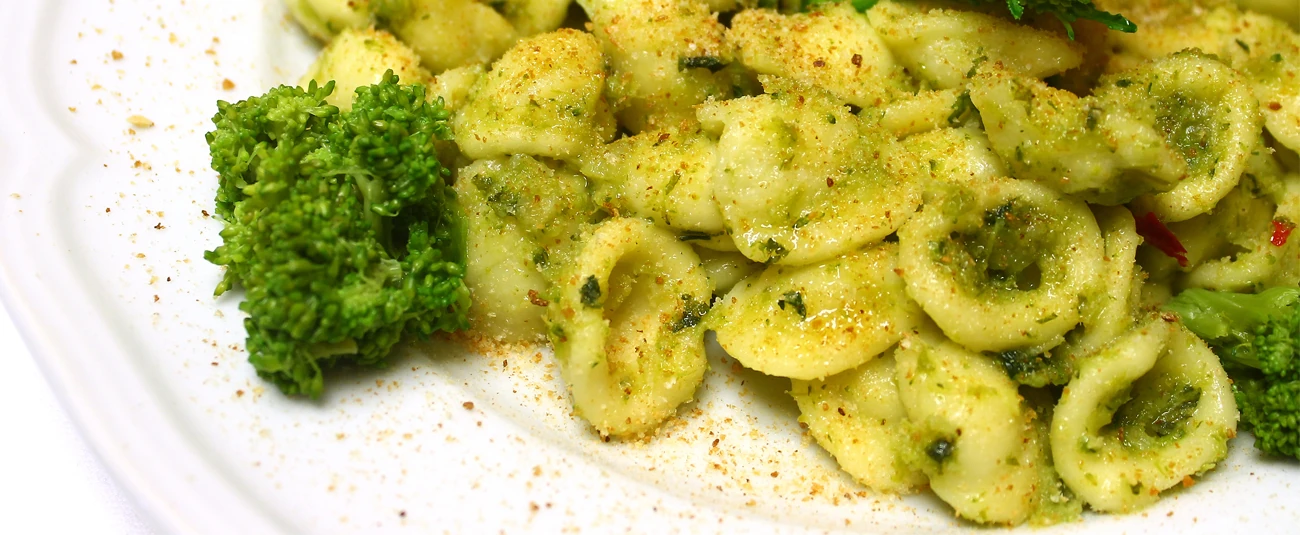
Orecchiette with turnip tops. The bitterness of the greens meets the bitterness and pungency of Coratina in perfect harmony. Excellent finished with a drizzle of olive oil added raw just before serving.
Rustic tomato pasta. The oil’s green fruitiness enhances the aromas of the tomato sauce and preserves. Best added raw when serving.
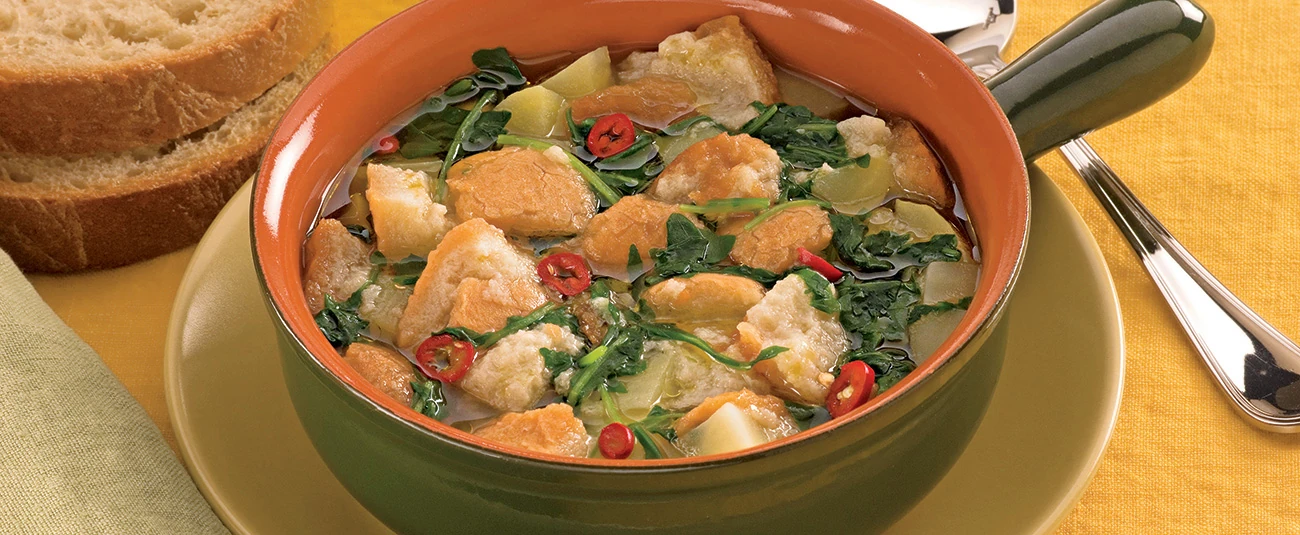
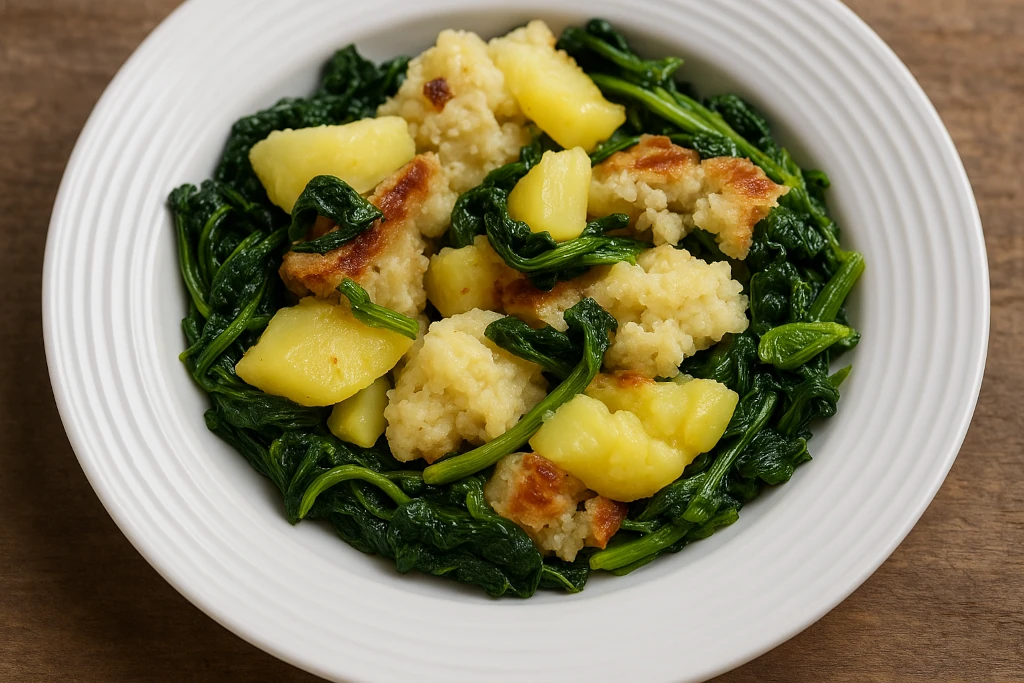
Broad bean purée with chicory. An iconic dish in which the sweetness of the purée and the bitterness of the chicory beautifully embrace the character of Coratina. Finish generously with olive oil.
Soups made with chickpeas, lentils, grass peas, and grilled vegetables such as aubergines, peppers, and courgettes: the structure and green notes of the olive oil enhance every flavour.
Frisella with tomato, oregano, and capers: lightly soaked in water, seasoned, and finished with Coratina for a rich and intense bite.
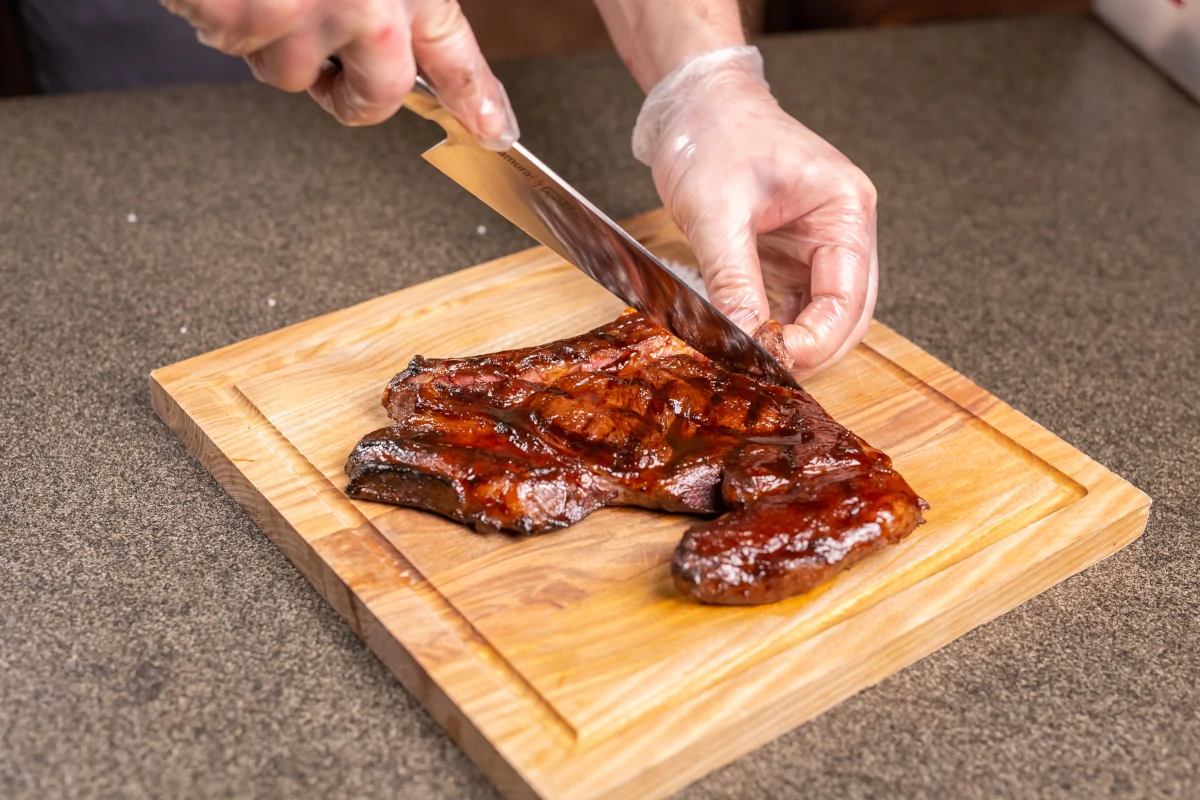
Grilled Apulian bombette from the Valle d’Itria: the richness of pork and caciocavallo cheese calls for a robust olive oil. Coratina works perfectly as a finishing oil after grilling.
Grilled red meats and game: the bitterness and pungency cleanse the palate while adding freshness and character.
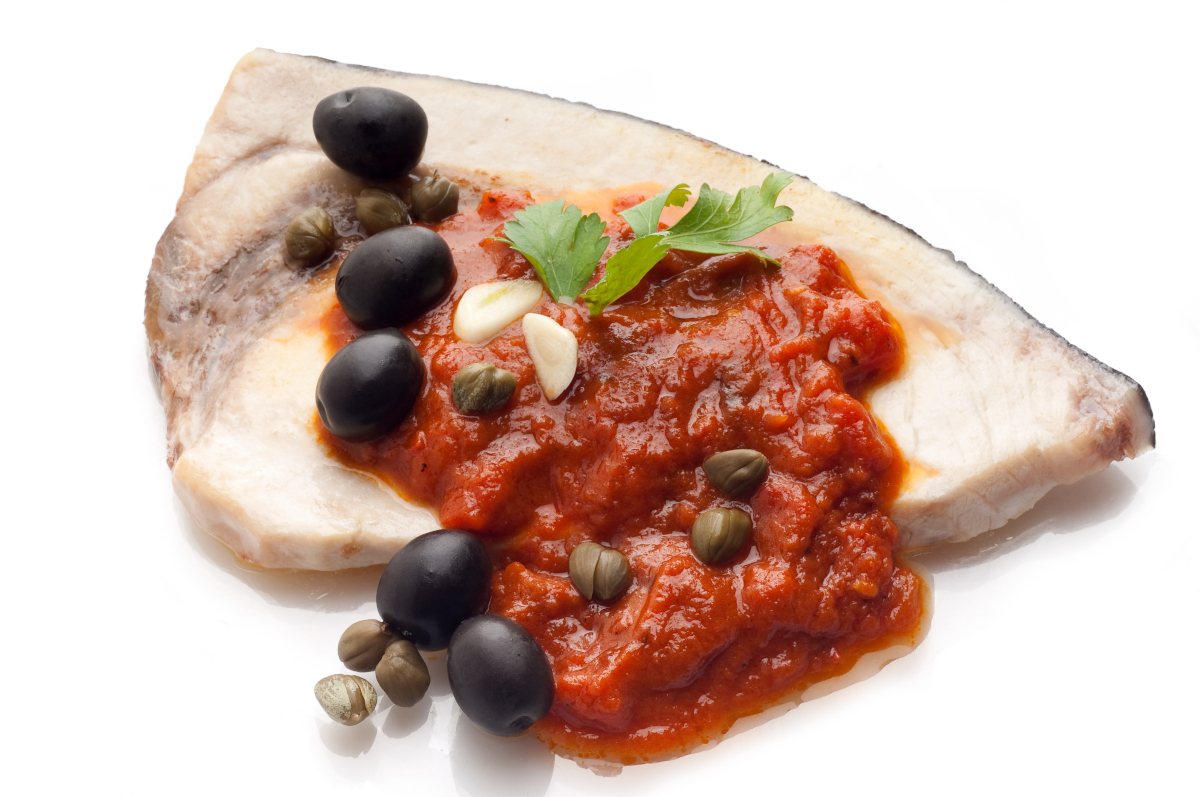
Oily fish, as well as grilled swordfish or tuna: a finishing drizzle of raw Coratina adds intensity, freshness, and aroma.
When should Coratina be avoided?
Our advice is to avoid using Coratina with very delicate dishes, such as steamed white fish or extremely fresh cheeses. In those cases, a softer and milder olive oil is generally the better choice. For everything else, Coratina can be used with confidence.