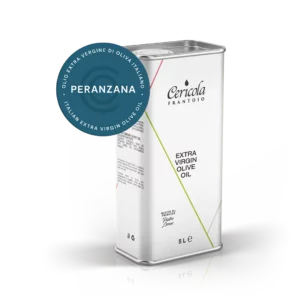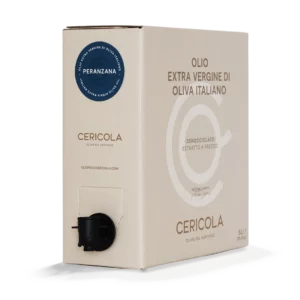
Peranzana extra virgin olive oil: recommended pairings
Peranzana is a cultivar typical of Apulia, especially of the Tavoliere area. The extra virgin olive oil obtained from this variety stands out for its delicate and fruity profile, with notes of almond and artichoke.
It is characterised by a pleasant fruity flavour and a light bitterness, making it ideal for enhancing a wide variety of dishes, from fish and meat to vegetables and legumes.
Recommended pairings
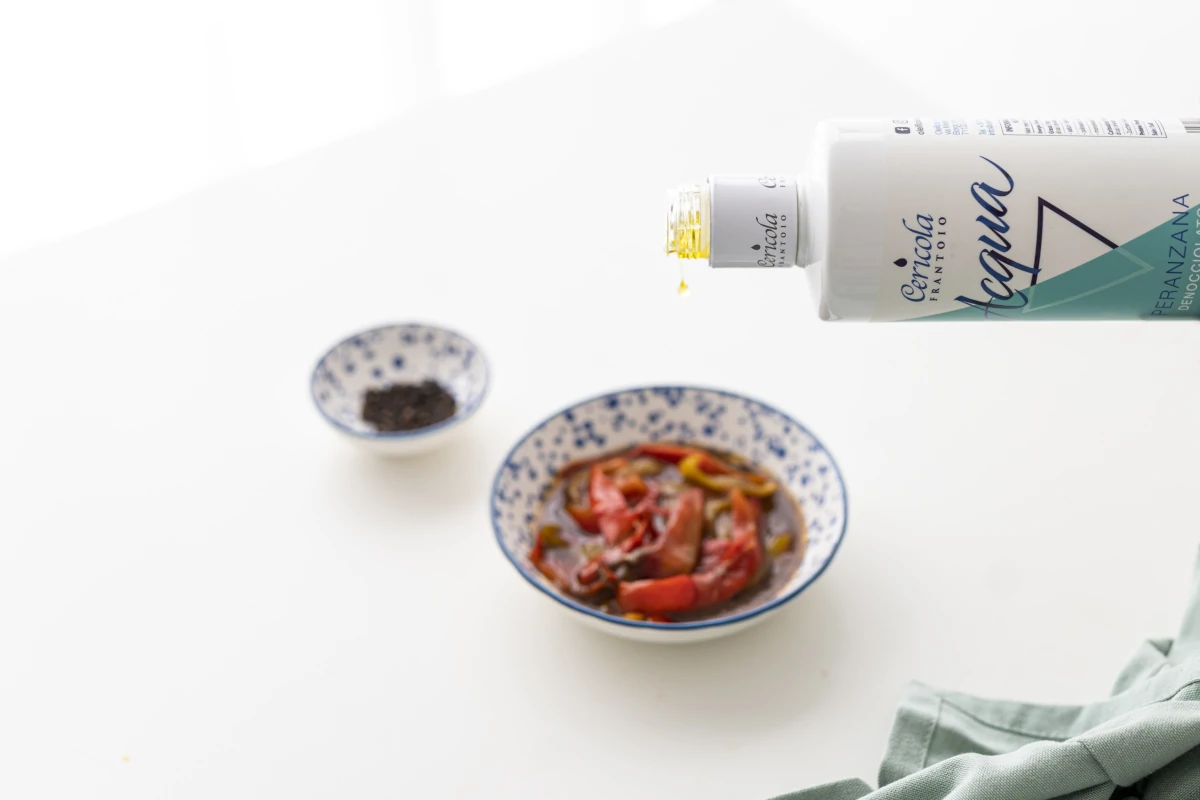
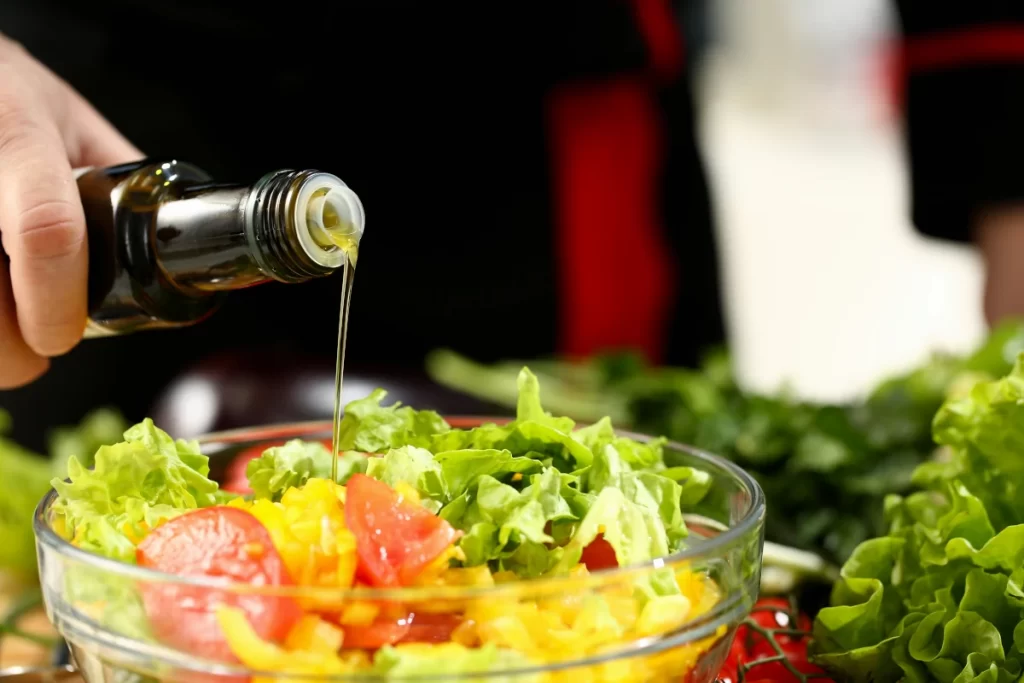
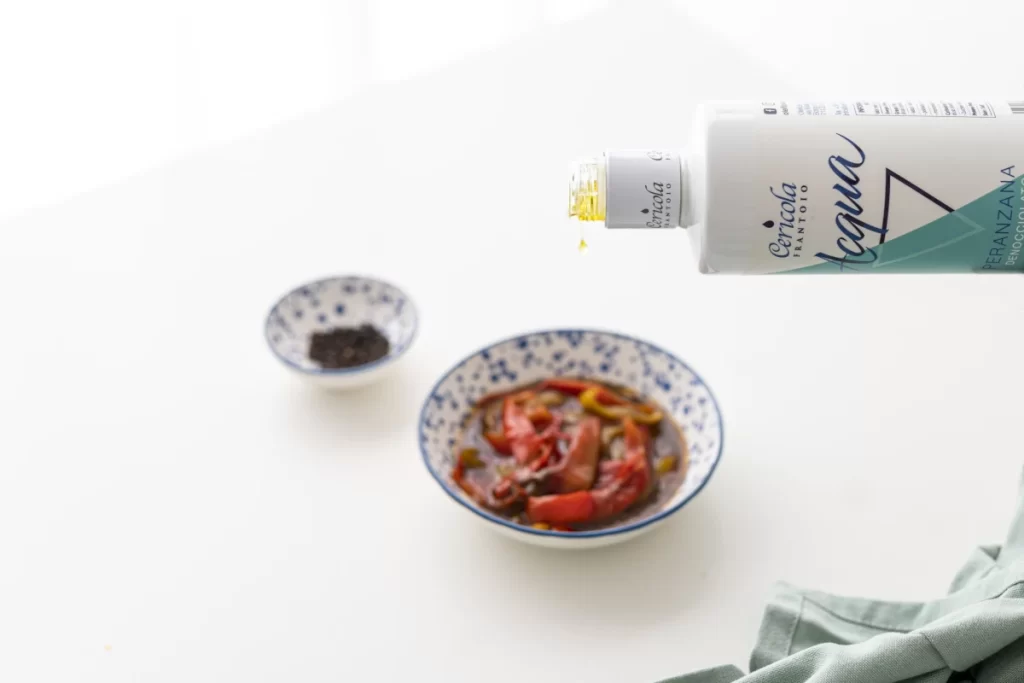
Peranzana olive oil is ideal for dressing grilled or baked fish, whether served whole or as fillets. Drizzle it over the fish just after cooking to release its fresh and delicate aromas.
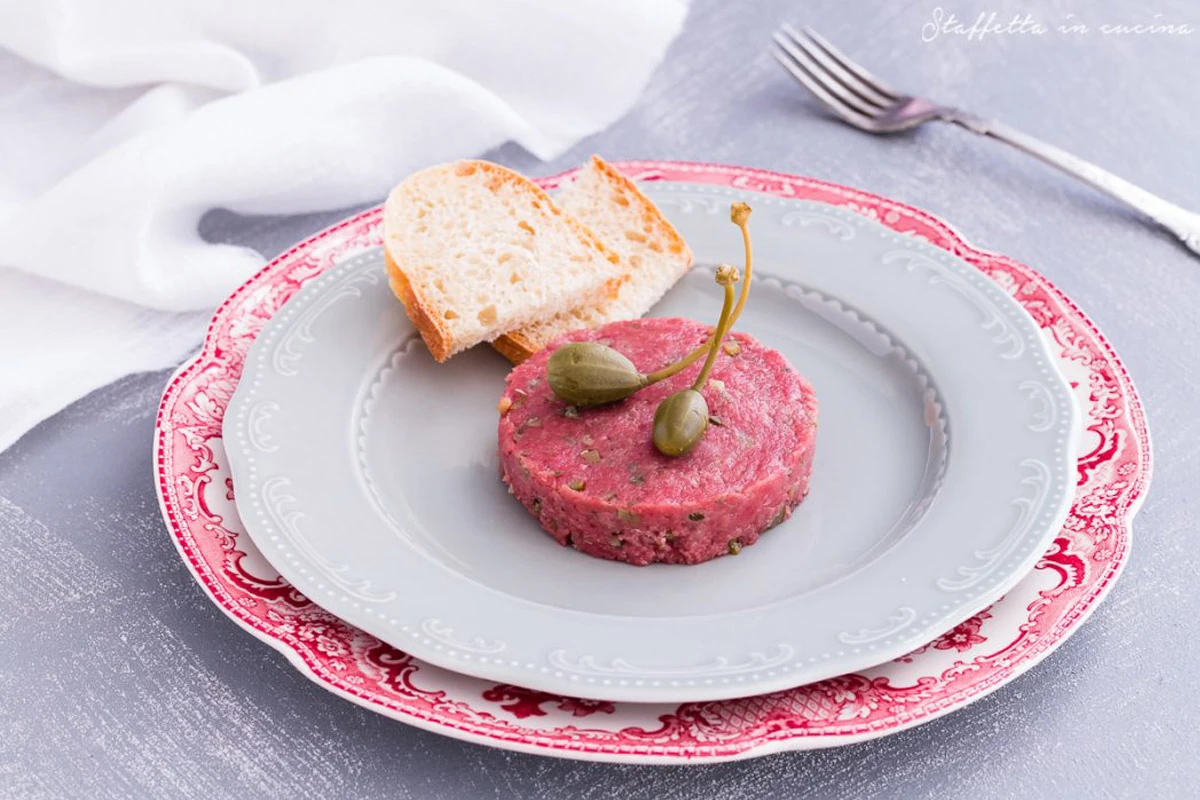
We recommend using Peranzana to enhance both red and white meats, such as chicken and turkey. A few drops added just before serving provide a refined and distinctive flavour.
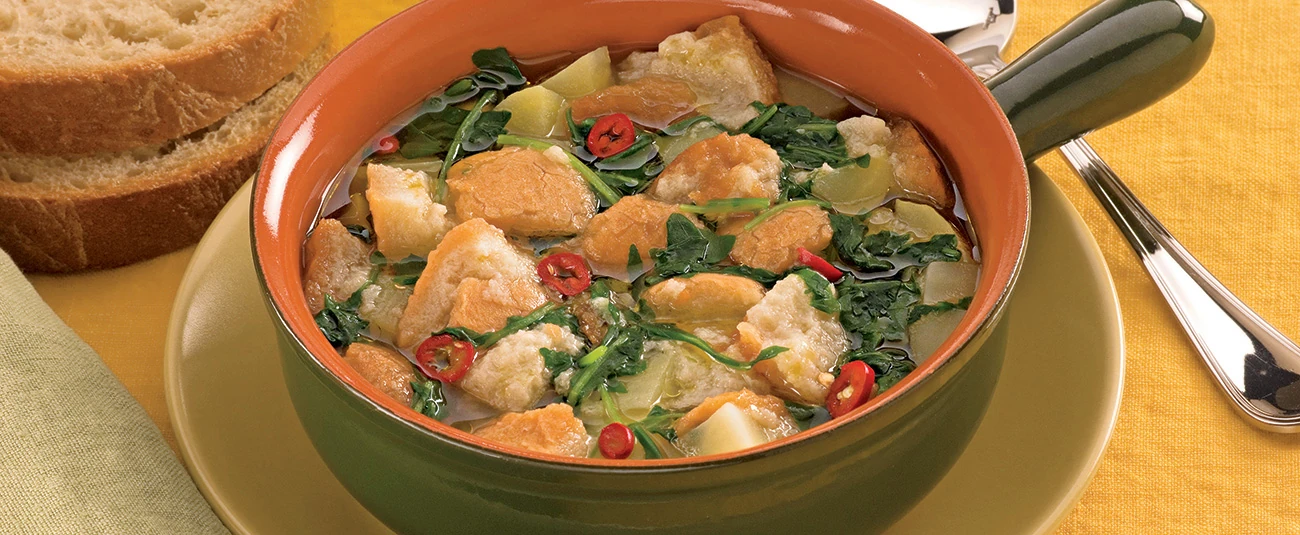
Perfect for enriching grilled or steamed vegetables. A drizzle of Peranzana adds freshness and elegance to any vegetarian dish.
Peranzana extra virgin olive oil is also excellent for seasoning legume soups or preparing bean and chickpea pestos. Its light bitterness pairs beautifully with the rich flavour of legumes.
Peranzana: a cultivar typical of Apulia
Peranzana is a traditional olive cultivar from Apulia, especially associated with the Tavoliere area. The extra virgin olive oil obtained from this variety is appreciated for its delicate and fruity profile, with notes of almond and artichoke.
Peranzana extra virgin olive oil is a high-quality product rich in polyphenols, antioxidants, and monounsaturated fatty acids, making it both healthy and beneficial as part of a balanced diet.
Peranzana olives are generally harvested between November and December, while the fruit is still green or at the beginning of full ripening. After harvesting, the olives are processed within just a few hours at the olive mill in order to preserve their flavour and organoleptic qualities.
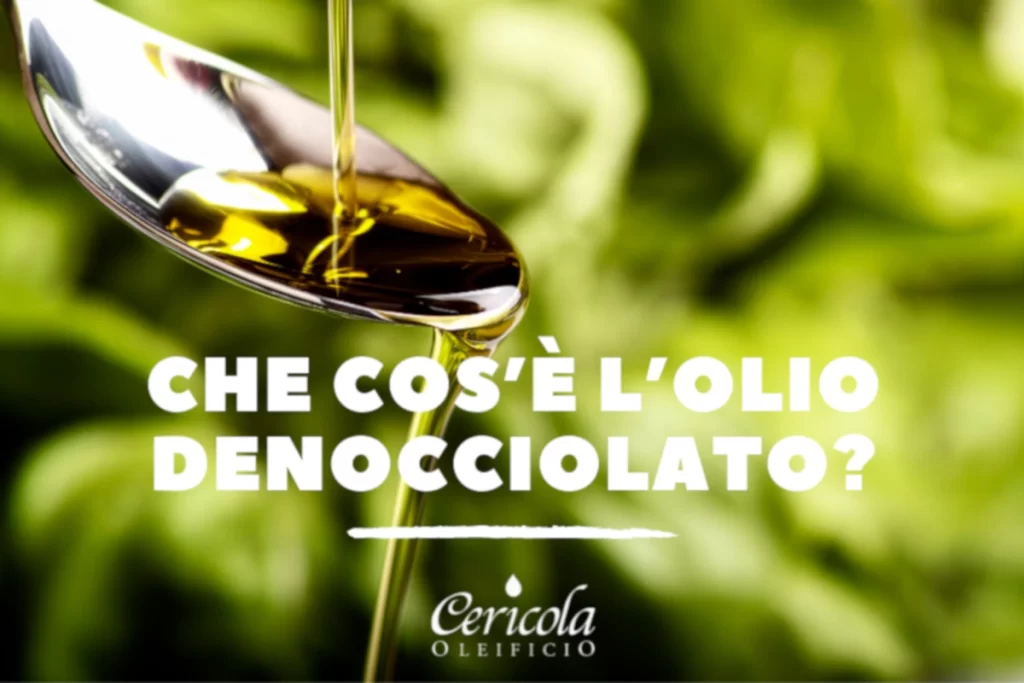
De-stoned extra virgin olive oil
De-stoned extra virgin olive oil is produced through a mechanical process that removes the olive stone before the olive flesh is processed. This operation is carried out using the company’s own patented machine: the Moliden-Leone system.
De-stoning makes it possible to obtain an extra virgin olive oil with a delicate and fruity profile, characterised by a light sweetness and a fresh aroma. At the same time, the process also allows the recovery of olive stone fragments, which are not discarded but reused as a fuel source for heating. Our olive stone fragments were recognised among the finest in Europe.