Extra Virgin Olive Oil in Sports: The Invisible Ally for Athletes
Is extra virgin olive oil really "just" a condiment? Recent research suggests otherwise. It is one of the most extensively studied sources of fat in the Mediterranean diet. But what does that mean for people who exercise?
Among the potential benefits of olive oil for athletes, including those who exercise recreationally, one stands out: helping to create, day after day, favourable conditions for cardiovascular health, metabolism, nutritional balance and recovery.
When we think about extra virgin olive oil, flavour comes to mind: fruitiness, bitterness and that distinctive peppery sensation at the back of the throat.
Yet behind these sensory characteristics lies a nutritional composition that helps explain why extra virgin olive oil is central to the Mediterranean diet.
CREA, the Italian Council for Agricultural Research and Economics, identifies olive oil as the characteristic source of dietary fat in this eating pattern. A 10-gram serving provides primarily monounsaturated fats, together with vitamin E and minor compounds such as polyphenols and phytosterols.
The Italian National Institute of Health (ISS), in its cardiovascular prevention guidance, recommends olive oil as a preferred condiment fat over animal fats.
A technical detail for nutritionists? Not quite.
There is a significant difference between simply adding fat to your diet and choosing the right type of fat.
The American Heart Association explains that replacing saturated fats with unsaturated fats, such as those found in olive oil, can help reduce cardiovascular risk.
Research from Harvard University also highlights that approximately 75% of olive oil’s fat content consists of monounsaturated fatty acids, while its phenolic compounds have antioxidant and anti-inflammatory properties.
The important question is not whether olive oil can contribute to weight gain — like all fats, it provides calories — but whether it is a better choice than alternative sources of fat.
On this point, scientific research is reasonably consistent: choosing olive oil is beneficial, particularly when extra virgin olive oil replaces butter, lard or other foods rich in saturated fats, rather than simply being added to an already unbalanced diet.
One of the most frequently cited studies is the PREDIMED trial, published in the New England Journal of Medicine. Among people at high cardiovascular risk, a Mediterranean diet supplemented with extra virgin olive oil or nuts was associated with fewer major cardiovascular events than the control diet.
This does not mean that olive oil itself is a treatment. Rather, it demonstrates the importance of improving overall dietary quality.
Regarding polyphenols, a clinical trial published in Annals of Internal Medicine reported a dose-dependent increase in HDL cholesterol associated with the phenolic content of olive oil.
The European Union has also authorised a specific health claim: olive oil polyphenols contribute to the protection of blood lipids from oxidative stress, provided that defined conditions relating to phenolic content and daily consumption are met.
This carefully regulated wording establishes an important distinction between scientifically supported health benefits and unsupported promises.
Research from the Harvard T.H. Chan School of Public Health has linked higher olive oil consumption with a lower risk of premature death, with particularly favourable associations when olive oil replaces animal fats.
In the observational study cited, consuming slightly more than half a tablespoon of olive oil per day was associated with differences in cardiovascular mortality risk.
What About People Who Exercise?
Now to the question that matters to athletes and fitness enthusiasts. Athletic performance never depends on a single food. However, the potential benefits of olive oil in sports can be understood in the context of dietary quality, inflammation, oxidative stress and physical recovery.
A 2025 research review entitled The Application of Olive-Derived Polyphenols on Exercise-Induced Inflammation examined seven studies and identified promising findings relating to:
However, evidence supporting extra virgin olive oil as a specific supplement for athletes remains limited. A preliminary 2021 study, Impact of Olive Oil Supplement Intake on Dendritic Cell Maturation after Strenuous Physical Exercise, suggested that consuming 25 ml of extra virgin olive oil might help moderate the inflammatory response to intense aerobic exercise and support recovery over the following 24 hours.
The study involved a small sample, however, and its authors explicitly described the findings as preliminary. The strongest evidence available today concerns the Mediterranean diet as a whole, with extra virgin olive oil as one of its defining ingredients.
A 2024 systematic review conducted by researchers at the University of Milan, Impact of the Mediterranean Diet on Athletic Performance, Muscle Strength, Body Composition, and Antioxidant Markers in Both Athletes and Non-Professional Athletes, analysed seven intervention studies involving a total of 116 participants.
The review identified possible improvements in muscular endurance, power, certain strength measurements and antioxidant markers, while emphasising the need for more rigorous research. In practical terms, the benefits of olive oil for people who exercise are best understood through the nutritional quality of their meals.
Vegetables, legumes, whole grains, fish, eggs, nuts and adequate protein intake provide the foundation of a balanced diet. Extra virgin olive oil complements this dietary pattern, supporting cardiometabolic health and potentially contributing to the body’s response to exercise-induced oxidative stress.
How to Use Extra Virgin Olive Oil
The Italian National Institute of Health recommends extra virgin olive oil as a preferred condiment fat. CREA also highlights its suitability for cooking at relatively high temperatures, thanks to its composition and the presence of protective compounds. Following a varied and balanced diet, together with an active lifestyle, helps maintain good health and prevent non-communicable chronic diseases, including cardiovascular diseases, certain cancers, diabetes, high blood pressure and dyslipidaemia.
The Mediterranean diet — characterised by a high intake of plant-based foods such as fruit, vegetables, legumes and cereals, alongside moderate or limited consumption of animal-derived foods — is widely recognised as a dietary pattern associated with a lower risk of these conditions. (Source: ISS)
Extra virgin olive oil is not only suitable for raw use. It can also be used in cooking, provided that temperatures are controlled and the oil is not allowed to deteriorate. The best approach for everyday use is to improve the quality of the fats in your diet by replacing less favourable alternatives.
A drizzle of extra virgin olive oil over legumes, vegetables, fish, bruschetta or a balanced post-workout meal can improve both flavour and the nutritional profile of the dish. This is where the potential benefits of olive oil for athletes move beyond scientific discussion and become a practical habit, repeated hundreds of times throughout the year.
Extra virgin olive oil cannot compensate for an unbalanced diet, nor can it improve athletic performance on its own. What matters is that olive oil is one of the best-studied foods in relation to the Mediterranean diet, the replacement of saturated fats, cardiovascular protection and everyday nutritional quality.
For athletes, the message is straightforward: choosing the right cooking and dressing oil may seem like a small decision, but making that choice consistently can contribute to a healthier overall diet.
Looking for the right extra virgin olive oil?
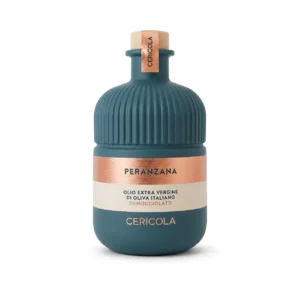
A versatile variety, suitable for vegetables, white meat and fish, such as Oleificio Cericola’s Peranzana, is a good starting point.
Explore our selection of de-stoned extra virgin olive oils to find the variety that best suits your preferences.
Main Sources
- Commissione europea — registro dei claim salutistici: autorizzazione al claim sui polifenoli dell’olio d’oliva e protezione dei lipidi ematici dallo stress ossidativo.
- EFSA — parere scientifico alla base dell’autorizzazione del claim sui polifenoli dell’olio d’oliva.
- Istituto Superiore di Sanità — prevenzione e alimentazione, con preferenza per l’extravergine come grasso da condimento.
- CREA Oleario — olio e dieta mediterranea: composizione lipidica e antiossidanti.
- Harvard T.H. Chan School of Public Health — legame tra maggior consumo di olio d’oliva e minore rischio di mortalità prematura.
- Estruch et al., NEJM — trial PREDIMED: dieta mediterranea con extravergine o frutta secca e riduzione degli eventi cardiovascolari.
- Covas et al., Annals of Internal Medicine: polifenoli dell’olio d’oliva e fattori di rischio cardiovascolare.
- Hernáez et al.: oli ricchi di polifenoli e riduzione dell’ossidazione delle LDL.
- Bianchi et al., Nutrients 2024 — revisione sistematica (Università di Milano) su dieta mediterranea, performance e marker antiossidanti.
- Esquius et al., 2021: studio preliminare su EVOO e recupero dopo sforzo intenso.
- Lillis et al., review 2025: polifenoli derivati dall’olivo e risposte all’esercizio.